

Reliable LPG Cylinder Supply and Manufacturing for Uganda Gas Distributors
Introduction
Finding a reliable LPG cylinder supplier in Uganda involves more than comparing prices. Gas distributors and importers need consistent manufacturing quality, compatible valve specifications, appropriate documentation and dependable cross-border logistics.
Tianlong’s Kenya operations provide a potential regional sourcing option for Ugandan buyers evaluating LPG steel cylinders. However, delivery routes, product specifications, import procedures and regulatory acceptance must be confirmed for each order.
This guide explains what Uganda’s gas distributors should consider when evaluating supply from Kenya, selecting cylinder sizes and planning bulk purchases.
Why Ugandan Oil & Gas Companies Source from Tianlong Kenya
For distributors operating in Uganda, regional sourcing may offer an alternative to purchasing directly from a distant overseas factory. The benefits depend on the order quantity, transport arrangements, product requirements and total landed cost.
Tianlong currently prioritizes the Kenyan market, with its Kenya factory focusing primarily on 6kg and 13kg LPG steel cylinders. Supply projects for Uganda can be assessed individually against the buyer’s requirements.
Proximity and Cross-Border Logistics via Busia and Malaba
Kenya and Uganda share established road freight corridors, including routes through Busia and Malaba. Depending on the factory dispatch point and final destination, these routes may support cross-border delivery to Ugandan distributors.
Regional transport does not automatically mean faster delivery in every case. Buyers should compare the complete delivery schedule, including production, truck availability, border procedures, customs clearance and inland transport.
Before confirming an order, discuss:
The dispatch location and preferred border crossing.
The shipment quantity and loading arrangements.
Transport costs, insurance and delivery responsibilities.
Required export and import documents.
The expected customs clearance process and final delivery location.
A useful practice is to request a written logistics plan rather than relying on a general promise of fast delivery. This makes it easier to compare regional sourcing with overseas imports on a like-for-like basis.
For broader regional planning, see our guide to LPG cylinder supply across East Africa, which explains why each destination country needs a separate compliance and logistics review.
Compliance with UNBS and East African Standards
Ugandan buyers must confirm that their proposed cylinders meet the applicable Ugandan standards and regulatory requirements. The Uganda National Bureau of Standards (UNBS) publishes standards and product conformity information, while the Petroleum Supply (Liquefied Petroleum Gas Operations) Regulations, 2026 establish requirements for regulated LPG activities.
These regulations address cylinder conformity, supplier obligations, branding, traceability, sealing and related safety matters. The applicable requirements depend on the product and the buyer’s role in the supply chain.
Before placing a production order, confirm:
The applicable cylinder design and manufacturing standard.
Whether the cylinder and valve combination is accepted for the intended market.
Required product conformity certificates and technical documents.
Approved brand identification, cylinder markings and serial numbers.
Import, wholesale, filling, transport or distribution licences relevant to the planned activity.
The official UNBS website and UNBS standards webstore are useful starting points for identifying relevant standards. Buyers should verify the current edition, scope and legal status of each standard before shipment.
A manufacturer can provide technical specifications, drawings and available inspection records to support the review. Final acceptance, however, should be confirmed through the appropriate Ugandan regulatory and conformity assessment channels.
Available LPG Cylinder Sizes for the Ugandan Market
The best product mix depends on customer demand, filling infrastructure, handling requirements and the standards applicable to each cylinder. Household distribution and commercial supply should not automatically use the same product configuration.
6kg and 13kg Steel Cylinders
Six-kilogram cylinders may suit household customers and smaller users who prefer a more portable format. Thirteen-kilogram cylinders can be considered for households, restaurants and other users with higher consumption.
For distributors, choosing between these sizes requires more than estimating sales volume. Buyers should also evaluate cylinder turnover, delivery frequency, storage capacity, regulator compatibility and the specifications used by their local filling and retail networks.
When requesting a quotation, specify:
Nominal LPG capacity and cylinder dimensions.
Required valve type, thread or connection interface.
Material, design and manufacturing requirements.
Branding, embossing, colour and serial-number arrangements.
Inspection documentation and agreed acceptance criteria.
Valve compatibility is especially important. A cylinder should not be selected based on capacity alone. The valve and associated equipment must be suitable for the intended system and comply with applicable requirements.
Tianlong’s Kenya factory focuses primarily on 6kg and 13kg cylinders. Ugandan buyers interested in these sizes can provide their target specifications and order quantities for a project assessment.
Commercial 50kg Cylinders for Restaurants and Hotels
Larger cylinders may be relevant to selected commercial users, including hotels, restaurants and catering operations in Kampala and other urban centres. However, a 50kg product should be treated as a market-specific requirement to verify, not as a universally approved or automatically available option.
Before including larger cylinders in a procurement plan, confirm the applicable standard, valve specification, filling arrangements, transport requirements and site storage conditions. Some commercial users may also need to evaluate bulk LPG or a professionally designed reticulation system rather than relying on portable cylinders.
Tianlong can assess larger-cylinder enquiries according to the required specification, production capability and project conditions. Availability, compliance and lead time should be confirmed before the buyer commits to a sales programme.
Direct Factory Bulk Supply vs. Importing from Overseas
For a distributor purchasing at scale, the relevant comparison is the total landed cost, not simply the ex-factory price.
| Factor | Regional sourcing from Kenya | Direct overseas sourcing |
|---|---|---|
| Transport route | Road freight may be suitable for the destination and shipment | Usually requires international freight and destination transport |
| Communication | Regional coordination may simplify shipment discussions | Time zones and longer shipping cycles may add coordination |
| Order economics | Depends on quantity, truck utilization and border costs | Depends on factory pricing, freight rates and order volume |
| Lead time | Includes production, border clearance and inland delivery | Includes production, international transit, customs and inland delivery |
| Compliance | Ugandan requirements still apply | Ugandan requirements still apply |
Regional sourcing may be attractive when the required products are available and the transport economics are competitive. Overseas sourcing may remain suitable for large container orders, specialized specifications or products not available through a regional facility.
Neither option guarantees lower cost or faster delivery. Buyers should compare quotations using the same cylinder specification, quantity, delivery point, documentation scope and commercial terms.
When requesting prices, ask suppliers to separate production costs, packaging, freight, customs-related responsibilities and inland delivery. This helps procurement teams identify the actual cost drivers before negotiating.
How to Order LPG Cylinders for Uganda Distribution
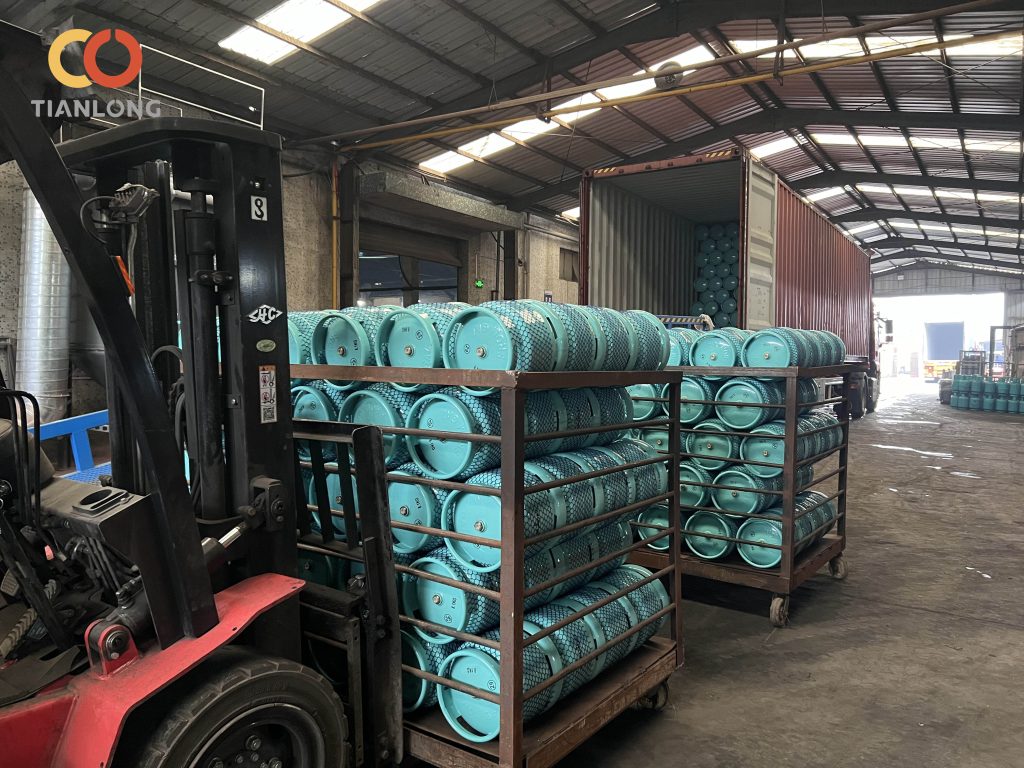
A structured order process reduces the risk of specification changes, customs delays and disputes over product acceptance.
Step 1: Define the Product and Quantity
Identify the required cylinder sizes, quantities, intended users and expected replenishment frequency. If you already operate a filling or retail network, provide the relevant valve and connection specifications.
Step 2: Confirm Ugandan Compliance Requirements
Ask your local compliance team or qualified customs and standards adviser to confirm the applicable cylinder standards, conformity assessment, import documents and business licences.
Uganda’s 2026 LPG Operations Regulations apply to activities including wholesale, retail, distribution, transportation and filling. The relevant obligations depend on the activity being conducted.
Do not assume that a certificate issued for another market automatically satisfies Ugandan requirements.
Step 3: Request Technical Documents
Ask the manufacturer for available drawings, material and product specifications, inspection records, markings information and relevant conformity documentation. Agree on which documents must be provided before shipment.
For background on manufacturing controls, see our guidance on LPG cylinder manufacturing and quality control.
Step 4: Confirm Logistics and Commercial Terms
Agree on order quantity, production schedule, packaging, transport route, delivery point, payment terms and responsibility for customs documentation. Specify how delays, damage or non-conforming products will be handled.
For cross-border road freight, confirm the proposed route through Busia or Malaba with the logistics provider before finalizing the schedule.
Step 5: Approve the Order and Inspection Plan
Before production starts, confirm the final specification and acceptance criteria in writing. Where inspection is required, define the scope, timing, records and procedure for resolving any quality concerns.
After dispatch, retain shipment documents and product identification records so that the delivery can be reconciled with the purchase order.
Get a Quote for Uganda Bulk Supply
Tianlong’s Kenya operations focus primarily on 6kg and 13kg LPG steel cylinders. Ugandan distribution projects can be reviewed individually based on the required products, order volume, compliance requirements and cross-border delivery arrangements.
To help us assess your enquiry, prepare the following information:
Destination: Kampala or another delivery location in Uganda.
Product mix: Required cylinder sizes and valve specifications.
Quantity: Estimated order volume and future purchasing frequency.
Compliance: Applicable standards and documents identified by your local team.
Delivery: Preferred route, target delivery date and transport requirements.
Get a Quote for Uganda Bulk Supply
Contact Tianlong to discuss your requirements. A clear specification and country-specific compliance review can help your team evaluate whether regional sourcing is commercially and operationally suitable.
Frequently Asked Questions
Can Tianlong Kenya supply LPG cylinders to Uganda?
Uganda-bound projects can be assessed individually. Buyers should confirm product availability, specifications, order quantity, regulatory requirements and delivery arrangements before placing an order.
Which LPG cylinder sizes should Ugandan distributors consider?
Six-kilogram and 13-kilogram cylinders may suit different household and commercial segments. Larger formats, including 50kg cylinders, require a separate assessment of market demand, applicable standards and filling arrangements.
Are cylinders compliant in Kenya automatically accepted in Uganda?
No. Ugandan requirements must be checked independently. Buyers should confirm applicable standards, product conformity documents, valve compatibility and any relevant import or operating licences before shipment.
Is road delivery from Kenya always faster than overseas shipping?
Not necessarily. The result depends on production time, shipment size, transport availability, border clearance and the final delivery point. Compare complete delivery schedules and landed costs before choosing a supplier.